Address:
1855 E. 28th St. Minneapolis, MN 55407
Phone:
(612) 729 9395
About
About Smith Foundry
Community Involvement
Green Initiatives
History
Capabilities
Design Assistance
Casting Conversions
Responsive Production
Quality
Engineering
Core Making
Molding
Finishing
Projects
Accolades
What's New
Contact
Careers
Contact Us
Request a Quote
Meet the Team
Community Observations
Projects
Home Page
/
Projects
/
All Projects
Austempered Ductile Iron
Ductile Iron
Grey Iron
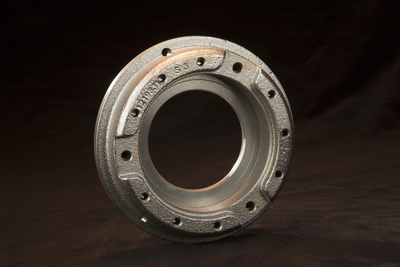
BEARING HOUSING
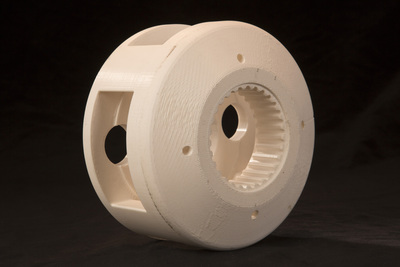
PLANETARY GEAR HOUSING PROTOTYPE
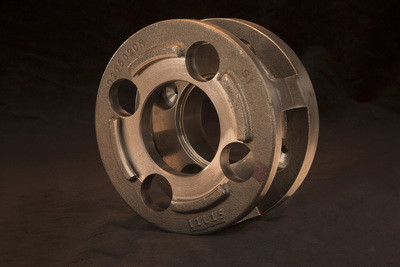
PLANETARY GEAR HOUSING
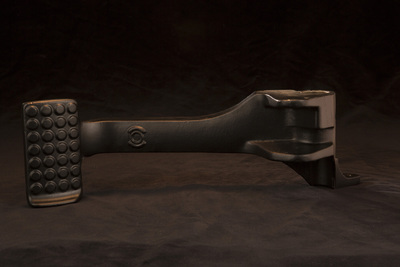
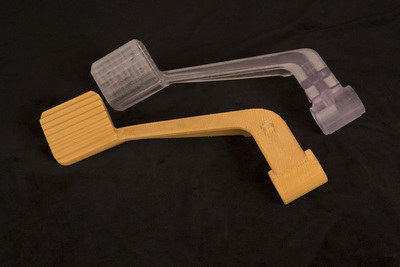
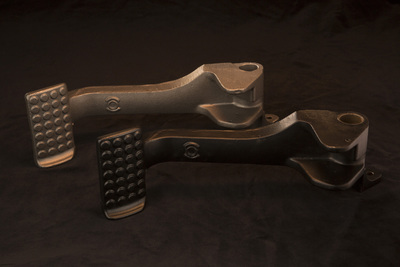
AG TRACTOR BRAKE PEDAL
FRONT ROLLER ON REEL TYPE GREENS MOWER
Retainer for National Defense
CRUMBER SLIDE CASTING
TRENCHER SUPPORT CASTING
BRAKE LEVER
AG TRACTOR BRAKE PEDAL
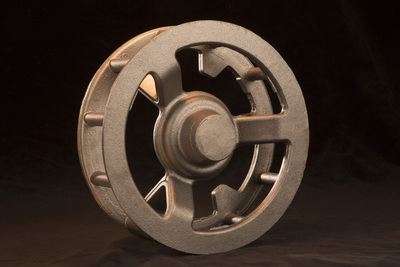
DRIVE WHEEL
Request a Quote